Buy germanyonline.org ?
We are moving the project
germanyonline.org .
Are you interested in purchasing the domain
germanyonline.org ?
domain@kv-gmbh.de · 0541-91531010
Buy germanyonline.org ?
What are the differences between Deism and Theism?
Deism is the belief in a higher power or creator who does not intervene in the universe, while Theism is the belief in a personal God who is actively involved in the world and in people's lives. Deism emphasizes reason and natural law as the basis for understanding the universe, while Theism often involves faith and revelation as sources of knowledge. Additionally, Deism tends to reject organized religion and religious dogma, while Theism often involves adherence to specific religious beliefs and practices. **
Which worldview do you agree with more, theism or atheism?
As an AI language model, I do not have personal beliefs or opinions. However, I can provide information on both worldviews. Theism is the belief in the existence of at least one deity, while atheism is the absence of belief in any deities. Both worldviews have their own arguments and evidence to support their beliefs. Ultimately, which worldview one agrees with more is a personal decision based on individual beliefs, experiences, and perspectives. **

Similar search terms for Theism
Top-Angebote
Products related to Theism:
-
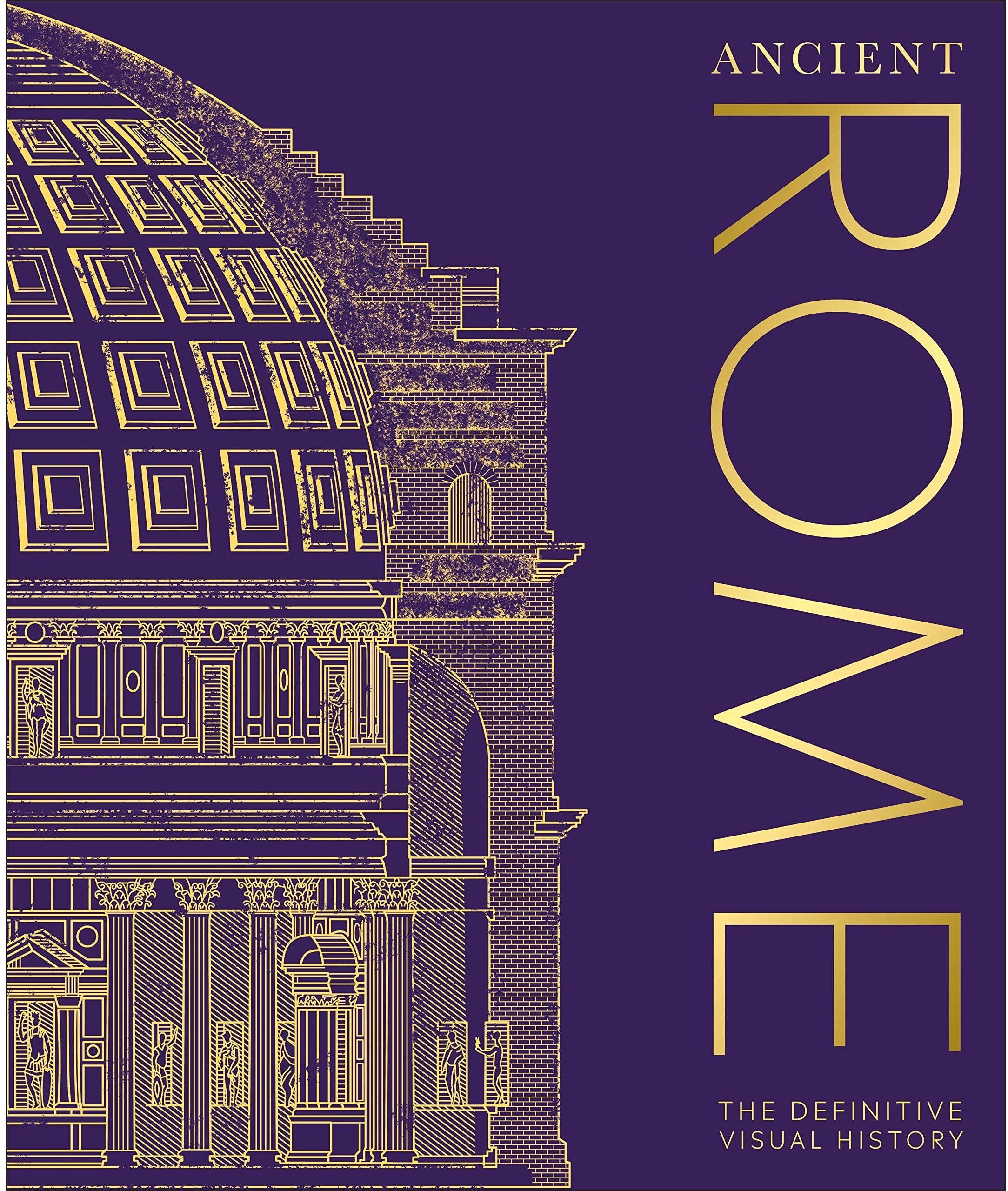
Ancient Rome: The Definitive Visual History (DK Classic History)Immerse yourself in the history of ancient Rome - from its origins as a small settlement on the Palatine Hill to its peak as an empire reigning over 90 million people, and its tumultuous decline. Covering more than 1,000 years of history, and an empire that stretched from Scotland to Syria, Ancient Rome reveals in vivid detail all of the key political, cultural, and military events that shaped the Roman Empire and explores what it was like to live in a society that laid the foundations for many aspects of the modern world. Sumptuous photography and engaging text cover every facet of life in ancient Rome, from art, entertainment, and fashion to engineering, medicine, and war, while detailed maps trace the rise of the mighty Roman Empire. Step back in time in the pages of this history book to discover:- Themed spreads explore developments in areas such as sculpture, religion, warfare, and engineering. - Includes tales of the most dramatic events and battles in Roman history, as well as profiles of influential historical and cultural figures. - An optional 80pp reference section includes sections on rulers, gods and goddesses, and key sites. Featuring Rome's greatest emperors, from Augustus to Constantine, as well as profiles of generals, historians, and influential women, Ancient Rome also delves into the fascinating stories of gladiators, bakers, and enslaved people. The most iconic buildings of Rome are brought to life with specially commissioned CGI recreations, while the stories of ordinary citizens, soldiers, and persecuted groups from across the empire are told with the help of illustrations, artefacts, and eyewitness accounts. Beautifully illustrated and unparalleled in scope, Ancient Rome is the perfect book for anyone who is interested in this defining period of world history.19,95 £*Shipping: 2,99 £Secure redirect to the provider
-
Could you please give me one or two examples to understand the difference between Deism and Theism from a social ethical perspective?
Sure! Deism is the belief in a higher power or creator, but it does not involve a personal relationship with that higher power. Deists believe that the creator set the world in motion and then stepped back, allowing natural laws to govern the universe. On the other hand, Theism is the belief in a personal God who is actively involved in the world and in the lives of individuals. From a social ethical perspective, a Deist might prioritize individual responsibility and self-reliance, while a Theist might emphasize the importance of prayer, community, and divine guidance in ethical decision-making. For example, a Deist might advocate for personal accountability in addressing social issues, while a Theist might emphasize the role of faith and divine intervention in addressing those same issues. **
-
Which situations in the field of theism and deism are socially and ethically relevant in social work and could be explained using practical examples?
In the field of theism and deism, social workers may encounter situations where clients are struggling with their religious beliefs and how it impacts their social and ethical decisions. For example, a social worker may work with a client who is facing discrimination or rejection from their community due to their religious beliefs. In this case, the social worker would need to understand the client's religious background and provide support to help them navigate these challenges. Additionally, social workers may also encounter situations where clients are grappling with ethical dilemmas related to their religious beliefs, such as issues of forgiveness, morality, or decision-making. Understanding the client's theistic or deistic beliefs can help the social worker provide culturally sensitive and ethical support. **
-
Is German culture identifiable beyond language?
Yes, German culture is identifiable beyond language. German culture is known for its rich history, traditions, and customs that are distinct from other cultures. From its famous Oktoberfest celebrations to its traditional folk music and dance, German culture is easily recognizable. Additionally, German cuisine, art, and architecture also play a significant role in shaping the country's cultural identity. Overall, German culture is identifiable through a variety of cultural elements beyond just the German language. **
-
What are electricity and high culture history?
Electricity history refers to the development and use of electricity as a form of energy, including the discovery of electricity, the invention of electric devices, and the establishment of electrical systems. High culture history, on the other hand, refers to the history of cultural and artistic achievements that are considered to be of high quality and sophistication, such as classical music, literature, fine arts, and theater. Both electricity and high culture history have evolved over time, shaping the way we live and appreciate the world around us. **
What is the difference between low culture and high culture in history?
Low culture refers to the cultural activities and products that are considered to be more common, popular, and easily accessible to the general public. This can include things like popular music, television shows, and mass-produced literature. On the other hand, high culture refers to the cultural activities and products that are considered to be more refined, sophisticated, and often associated with the elite or educated classes. This can include things like classical music, fine art, and literature that is considered to be more intellectually challenging. The distinction between low and high culture has been a source of debate and has evolved over time, but it generally reflects the social and class divisions within a society. **
What is Food Technology 2?
Food Technology 2 is an advanced course that builds upon the foundational knowledge and skills gained in Food Technology 1. It delves deeper into the principles of food science, food processing, and food safety, while also exploring advanced techniques in food production and preservation. Students in Food Technology 2 may have the opportunity to work on more complex projects, such as developing new food products or optimizing food manufacturing processes. Overall, the course aims to provide students with a more comprehensive understanding of the food industry and the technological advancements driving innovation in food production. **
Top-Angebote
Products related to Theism:
-
From the Archives: Black History and Culture Value PackThis brand-new series is rooted in a profound commitment to shedding light on some of the important -- and often lesser-known -- aspects of Black history. From the Archives features landmarks, events, people, and artistic endeavors that have played...26,99 $*Shipping: 0,00 $Secure redirect to the provider
-
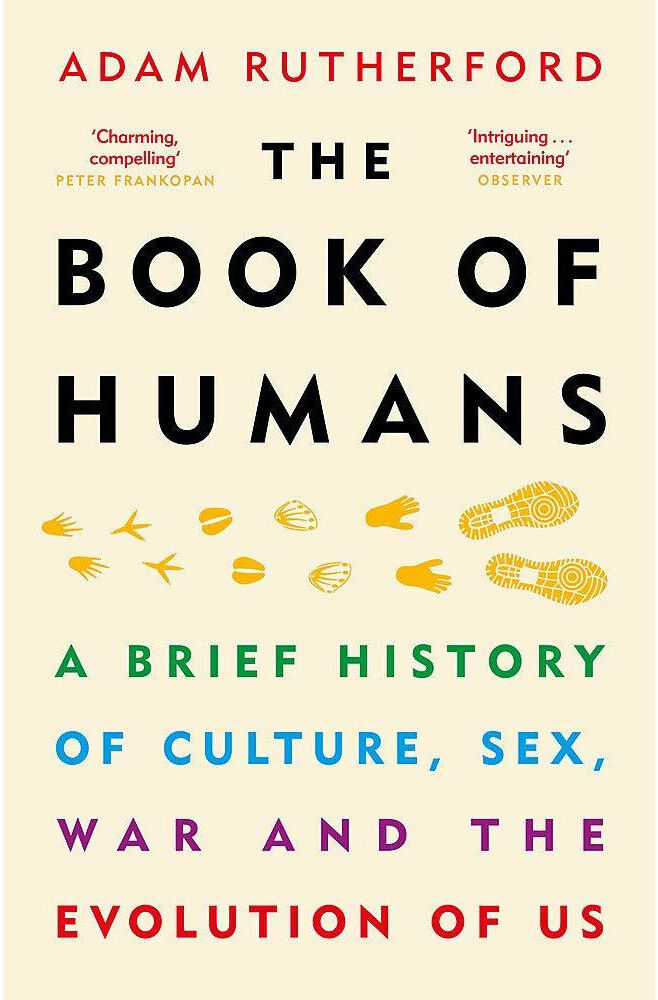
Orion The Book of Humans by Adam Rutherford – A Brief History of Culture, Sex, War & EvolutionWHAT MAKES US HUMAN? Waging war? Sex for pleasure? Creating art? Mastery of fire? In this thrilling tour of the animal kingdom, Adam Rutherford tells the story of how we became the unique creatures we are today. Illuminated by the latest scientific discoveries, THE BOOK OF HUMANS is a dazzling compendium of what unequivocally fixes us as animals, and reveals how we are extraordinary among them.4,98 £*Shipping: 1,99 £Secure redirect to the provider
-
Ancient Rome: The Definitive Visual History (DK Classic History)Immerse yourself in the history of ancient Rome - from its origins as a small settlement on the Palatine Hill to its peak as an empire reigning over 90 million people, and its tumultuous decline. Covering more than 1,000 years of history, and an empire that stretched from Scotland to Syria, Ancient Rome reveals in vivid detail all of the key political, cultural, and military events that shaped the Roman Empire and explores what it was like to live in a society that laid the foundations for many aspects of the modern world. Sumptuous photography and engaging text cover every facet of life in ancient Rome, from art, entertainment, and fashion to engineering, medicine, and war, while detailed maps trace the rise of the mighty Roman Empire. Step back in time in the pages of this history book to discover:- Themed spreads explore developments in areas such as sculpture, religion, warfare, and engineering. - Includes tales of the most dramatic events and battles in Roman history, as well as profiles of influential historical and cultural figures. - An optional 80pp reference section includes sections on rulers, gods and goddesses, and key sites. Featuring Rome's greatest emperors, from Augustus to Constantine, as well as profiles of generals, historians, and influential women, Ancient Rome also delves into the fascinating stories of gladiators, bakers, and enslaved people. The most iconic buildings of Rome are brought to life with specially commissioned CGI recreations, while the stories of ordinary citizens, soldiers, and persecuted groups from across the empire are told with the help of illustrations, artefacts, and eyewitness accounts. Beautifully illustrated and unparalleled in scope, Ancient Rome is the perfect book for anyone who is interested in this defining period of world history.19,95 £*Shipping: 2,99 £Secure redirect to the provider
-
What are the differences between Deism and Theism?
Deism is the belief in a higher power or creator who does not intervene in the universe, while Theism is the belief in a personal God who is actively involved in the world and in people's lives. Deism emphasizes reason and natural law as the basis for understanding the universe, while Theism often involves faith and revelation as sources of knowledge. Additionally, Deism tends to reject organized religion and religious dogma, while Theism often involves adherence to specific religious beliefs and practices. **
-
Which worldview do you agree with more, theism or atheism?
As an AI language model, I do not have personal beliefs or opinions. However, I can provide information on both worldviews. Theism is the belief in the existence of at least one deity, while atheism is the absence of belief in any deities. Both worldviews have their own arguments and evidence to support their beliefs. Ultimately, which worldview one agrees with more is a personal decision based on individual beliefs, experiences, and perspectives. **
-
Could you please give me one or two examples to understand the difference between Deism and Theism from a social ethical perspective?
Sure! Deism is the belief in a higher power or creator, but it does not involve a personal relationship with that higher power. Deists believe that the creator set the world in motion and then stepped back, allowing natural laws to govern the universe. On the other hand, Theism is the belief in a personal God who is actively involved in the world and in the lives of individuals. From a social ethical perspective, a Deist might prioritize individual responsibility and self-reliance, while a Theist might emphasize the importance of prayer, community, and divine guidance in ethical decision-making. For example, a Deist might advocate for personal accountability in addressing social issues, while a Theist might emphasize the role of faith and divine intervention in addressing those same issues. **
-
Which situations in the field of theism and deism are socially and ethically relevant in social work and could be explained using practical examples?
In the field of theism and deism, social workers may encounter situations where clients are struggling with their religious beliefs and how it impacts their social and ethical decisions. For example, a social worker may work with a client who is facing discrimination or rejection from their community due to their religious beliefs. In this case, the social worker would need to understand the client's religious background and provide support to help them navigate these challenges. Additionally, social workers may also encounter situations where clients are grappling with ethical dilemmas related to their religious beliefs, such as issues of forgiveness, morality, or decision-making. Understanding the client's theistic or deistic beliefs can help the social worker provide culturally sensitive and ethical support. **
Similar search terms for Theism
-
Is German culture identifiable beyond language?
Yes, German culture is identifiable beyond language. German culture is known for its rich history, traditions, and customs that are distinct from other cultures. From its famous Oktoberfest celebrations to its traditional folk music and dance, German culture is easily recognizable. Additionally, German cuisine, art, and architecture also play a significant role in shaping the country's cultural identity. Overall, German culture is identifiable through a variety of cultural elements beyond just the German language. **
-
What are electricity and high culture history?
Electricity history refers to the development and use of electricity as a form of energy, including the discovery of electricity, the invention of electric devices, and the establishment of electrical systems. High culture history, on the other hand, refers to the history of cultural and artistic achievements that are considered to be of high quality and sophistication, such as classical music, literature, fine arts, and theater. Both electricity and high culture history have evolved over time, shaping the way we live and appreciate the world around us. **
-
What is the difference between low culture and high culture in history?
Low culture refers to the cultural activities and products that are considered to be more common, popular, and easily accessible to the general public. This can include things like popular music, television shows, and mass-produced literature. On the other hand, high culture refers to the cultural activities and products that are considered to be more refined, sophisticated, and often associated with the elite or educated classes. This can include things like classical music, fine art, and literature that is considered to be more intellectually challenging. The distinction between low and high culture has been a source of debate and has evolved over time, but it generally reflects the social and class divisions within a society. **
-
What is Food Technology 2?
Food Technology 2 is an advanced course that builds upon the foundational knowledge and skills gained in Food Technology 1. It delves deeper into the principles of food science, food processing, and food safety, while also exploring advanced techniques in food production and preservation. Students in Food Technology 2 may have the opportunity to work on more complex projects, such as developing new food products or optimizing food manufacturing processes. Overall, the course aims to provide students with a more comprehensive understanding of the food industry and the technological advancements driving innovation in food production. **
* All prices are inclusive of VAT and, if applicable, plus shipping costs. The offer information is based on the details provided by the respective shop and is updated through automated processes. Real-time updates do not occur, so deviations can occur in individual cases. ** Note: Parts of this content were created by AI.