Buy germanyonline.org ?
We are moving the project
germanyonline.org .
Are you interested in purchasing the domain
germanyonline.org ?
domain@kv-gmbh.de · 0541-91531010
Buy germanyonline.org ?
Why do galaxies rotate?
Galaxies rotate due to the conservation of angular momentum. As the gas and dust that make up a galaxy collapse under gravity to form stars and other structures, any initial rotation present in the material is amplified. This rotation causes the galaxy to spin around its center of mass. The rotation of galaxies also helps to maintain their overall shape and stability. **
Are there other galaxies?
Yes, there are other galaxies besides our own Milky Way. Scientists estimate that there are billions of galaxies in the universe, each containing billions of stars. Some of the closest galaxies to us include the Andromeda Galaxy and the Triangulum Galaxy. The study of these other galaxies helps us understand the vastness and diversity of the universe. **


Similar search terms for Galaxies
Top-Angebote
Products related to Galaxies:
-
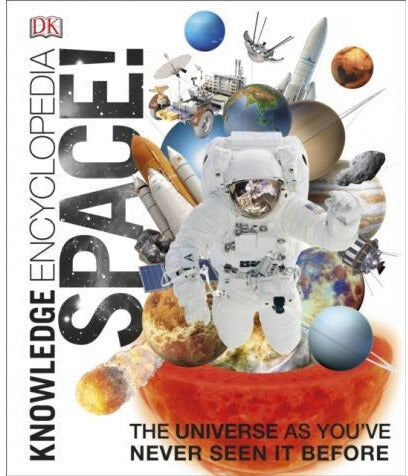
Dorling Kindersley DK Knowledge Encyclopedia Space The Ultimate Space & Astronomy Reference Guide for Kids and Families - Planets, Stars, Galaxies & the Universe ExplainExplore the wonders of the universe with the DK Knowledge Encyclopedia Space, an inspiring and visually stunning guide to outer space.Packed with high-definition photographs, 3D illustrations, infographics, facts, timelines, and scientific explanations, this encyclopedia takes readers on an unforgettable journey from Earth to the farthest reaches of the cosmos. Perfect for curious readers, young astronomers, and space enthusiasts, this book explains: The solar system, planets, moons, and dwarf planets Stars, nebulas, black holes, galaxies & cosmic phenomena Space exploration, astronauts & spacecraft The Big Bang, universe evolution & future missions The latest science discoveries explained in kid-friendly language A brilliant educational book for STEM learners, classrooms, home libraries, and children aged 8–14 who love space.9,99 £*Shipping: 2,99 £Secure redirect to the provider
-
Usborne Lift-The-Flap Look Inside: Space by Rob Lloyd Jones - An interactive lift-the-flap introduction to galaxies, stars and the moon for young chilWhy do stars shine? And how was the moon made? Children can blast off into space with this fantastic interactive flap book revealing the secrets of the Universe. Vibrant illustrations and simple explanations combined with over 70 flaps to lift. Each double page covers a different topic, including 'Glittering galaxies', 'On the Moon' and 'Space Station'.5,99 £*Shipping: 2,99 £Secure redirect to the provider
-
Orion The Book of Humans by Adam Rutherford – A Brief History of Culture, Sex, War & EvolutionWHAT MAKES US HUMAN? Waging war? Sex for pleasure? Creating art? Mastery of fire? In this thrilling tour of the animal kingdom, Adam Rutherford tells the story of how we became the unique creatures we are today. Illuminated by the latest scientific discoveries, THE BOOK OF HUMANS is a dazzling compendium of what unequivocally fixes us as animals, and reveals how we are extraordinary among them.4,98 £*Shipping: 1,99 £Secure redirect to the provider
-
Ancient Rome: The Definitive Visual History (DK Classic History)Immerse yourself in the history of ancient Rome - from its origins as a small settlement on the Palatine Hill to its peak as an empire reigning over 90 million people, and its tumultuous decline. Covering more than 1,000 years of history, and an empire that stretched from Scotland to Syria, Ancient Rome reveals in vivid detail all of the key political, cultural, and military events that shaped the Roman Empire and explores what it was like to live in a society that laid the foundations for many aspects of the modern world. Sumptuous photography and engaging text cover every facet of life in ancient Rome, from art, entertainment, and fashion to engineering, medicine, and war, while detailed maps trace the rise of the mighty Roman Empire. Step back in time in the pages of this history book to discover:- Themed spreads explore developments in areas such as sculpture, religion, warfare, and engineering. - Includes tales of the most dramatic events and battles in Roman history, as well as profiles of influential historical and cultural figures. - An optional 80pp reference section includes sections on rulers, gods and goddesses, and key sites. Featuring Rome's greatest emperors, from Augustus to Constantine, as well as profiles of generals, historians, and influential women, Ancient Rome also delves into the fascinating stories of gladiators, bakers, and enslaved people. The most iconic buildings of Rome are brought to life with specially commissioned CGI recreations, while the stories of ordinary citizens, soldiers, and persecuted groups from across the empire are told with the help of illustrations, artefacts, and eyewitness accounts. Beautifully illustrated and unparalleled in scope, Ancient Rome is the perfect book for anyone who is interested in this defining period of world history.19,95 £*Shipping: 2,99 £Secure redirect to the provider



-
What are spiral galaxies?
Spiral galaxies are a type of galaxy characterized by their distinctive spiral arms that extend outwards from a central bulge. These arms are made up of stars, gas, and dust, and they give the galaxy a pinwheel-like appearance. Spiral galaxies are often found to be relatively young and active, with ongoing star formation occurring in their arms. Our own Milky Way galaxy is a spiral galaxy. **
-
Why are galaxies flat?
Galaxies are flat because of the way they form and rotate. When galaxies form, the gas and dust that make them up collapse into a spinning disk shape due to the conservation of angular momentum. This spinning motion causes the material to flatten out into a disk, much like how pizza dough flattens out when spun. The gravitational forces within the galaxy also contribute to this flat shape, as they pull the material towards the center of the galaxy, further flattening it out. **
-
When will we be able to travel to other galaxies?
Traveling to other galaxies is currently beyond our technological capabilities. The distances between galaxies are so vast that it would take an enormous amount of time and energy to reach them with our current technology. Additionally, the challenges of sustaining life on such long journeys and the potential effects of cosmic radiation make intergalactic travel even more difficult. While there are theoretical concepts for advanced propulsion systems that could potentially make intergalactic travel feasible in the distant future, it is currently not possible to predict when we will have the capability to travel to other galaxies. **
-
Why are galaxies disk-shaped?
Galaxies are disk-shaped because of the way they form and evolve. When galaxies form, the gas and dust that make them up collapse under gravity, and as they spin, they flatten out into a disk shape. This is due to the conservation of angular momentum, which causes the material to flatten into a spinning disk as it collapses. Over time, the gravitational forces within the galaxy also help to maintain this disk shape. Additionally, the presence of a supermassive black hole at the center of many galaxies can also contribute to the disk shape by influencing the motion of stars and gas within the galaxy. **


What do galaxies revolve around?
Galaxies do not revolve around a single point or object. Instead, galaxies are part of galaxy clusters, which are groups of galaxies bound together by gravity. These galaxy clusters can revolve around a common center of mass, which is determined by the combined gravitational forces of all the galaxies within the cluster. Additionally, galaxies themselves can also rotate around their own centers, with stars and other celestial bodies within the galaxies orbiting around the galactic center. **
Which telescope is suitable for galaxies?
A telescope with a large aperture and high magnification is suitable for observing galaxies. The large aperture allows for more light to enter the telescope, making it easier to observe the faint light emitted by distant galaxies. High magnification helps to bring out the details and structure of the galaxies, allowing for a more detailed observation. Telescopes with good image quality and low levels of distortion are also important for observing galaxies, as they can be quite faint and distant. **
Top-Angebote
Products related to Galaxies:
-
Antonina Vella Galaxies Blue WallpaperSculptural shapes create a universe of textural, raised, freeform silhouettes on modern color in pattern Galaxies. This Galaxies Wallpaper measures approximately 27 inches wide by 27 feet long, covering About 60.8 square feet per roll.187,00 $*Shipping: 0,00 $Secure redirect to the provider
-
From the Archives: Black History and Culture Value PackThis brand-new series is rooted in a profound commitment to shedding light on some of the important -- and often lesser-known -- aspects of Black history. From the Archives features landmarks, events, people, and artistic endeavors that have played...26,99 $*Shipping: 0,00 $Secure redirect to the provider
-
Dorling Kindersley DK Knowledge Encyclopedia Space The Ultimate Space & Astronomy Reference Guide for Kids and Families - Planets, Stars, Galaxies & the Universe ExplainExplore the wonders of the universe with the DK Knowledge Encyclopedia Space, an inspiring and visually stunning guide to outer space.Packed with high-definition photographs, 3D illustrations, infographics, facts, timelines, and scientific explanations, this encyclopedia takes readers on an unforgettable journey from Earth to the farthest reaches of the cosmos. Perfect for curious readers, young astronomers, and space enthusiasts, this book explains: The solar system, planets, moons, and dwarf planets Stars, nebulas, black holes, galaxies & cosmic phenomena Space exploration, astronauts & spacecraft The Big Bang, universe evolution & future missions The latest science discoveries explained in kid-friendly language A brilliant educational book for STEM learners, classrooms, home libraries, and children aged 8–14 who love space.9,99 £*Shipping: 2,99 £Secure redirect to the provider
-
Usborne Lift-The-Flap Look Inside: Space by Rob Lloyd Jones - An interactive lift-the-flap introduction to galaxies, stars and the moon for young chilWhy do stars shine? And how was the moon made? Children can blast off into space with this fantastic interactive flap book revealing the secrets of the Universe. Vibrant illustrations and simple explanations combined with over 70 flaps to lift. Each double page covers a different topic, including 'Glittering galaxies', 'On the Moon' and 'Space Station'.5,99 £*Shipping: 2,99 £Secure redirect to the provider
-
Why do galaxies rotate?
Galaxies rotate due to the conservation of angular momentum. As the gas and dust that make up a galaxy collapse under gravity to form stars and other structures, any initial rotation present in the material is amplified. This rotation causes the galaxy to spin around its center of mass. The rotation of galaxies also helps to maintain their overall shape and stability. **
-
Are there other galaxies?
Yes, there are other galaxies besides our own Milky Way. Scientists estimate that there are billions of galaxies in the universe, each containing billions of stars. Some of the closest galaxies to us include the Andromeda Galaxy and the Triangulum Galaxy. The study of these other galaxies helps us understand the vastness and diversity of the universe. **
-
What are spiral galaxies?
Spiral galaxies are a type of galaxy characterized by their distinctive spiral arms that extend outwards from a central bulge. These arms are made up of stars, gas, and dust, and they give the galaxy a pinwheel-like appearance. Spiral galaxies are often found to be relatively young and active, with ongoing star formation occurring in their arms. Our own Milky Way galaxy is a spiral galaxy. **
-
Why are galaxies flat?
Galaxies are flat because of the way they form and rotate. When galaxies form, the gas and dust that make them up collapse into a spinning disk shape due to the conservation of angular momentum. This spinning motion causes the material to flatten out into a disk, much like how pizza dough flattens out when spun. The gravitational forces within the galaxy also contribute to this flat shape, as they pull the material towards the center of the galaxy, further flattening it out. **
Similar search terms for Galaxies
-
Orion The Book of Humans by Adam Rutherford – A Brief History of Culture, Sex, War & EvolutionWHAT MAKES US HUMAN? Waging war? Sex for pleasure? Creating art? Mastery of fire? In this thrilling tour of the animal kingdom, Adam Rutherford tells the story of how we became the unique creatures we are today. Illuminated by the latest scientific discoveries, THE BOOK OF HUMANS is a dazzling compendium of what unequivocally fixes us as animals, and reveals how we are extraordinary among them.4,98 £*Shipping: 1,99 £Secure redirect to the provider
-
Ancient Rome: The Definitive Visual History (DK Classic History)Immerse yourself in the history of ancient Rome - from its origins as a small settlement on the Palatine Hill to its peak as an empire reigning over 90 million people, and its tumultuous decline. Covering more than 1,000 years of history, and an empire that stretched from Scotland to Syria, Ancient Rome reveals in vivid detail all of the key political, cultural, and military events that shaped the Roman Empire and explores what it was like to live in a society that laid the foundations for many aspects of the modern world. Sumptuous photography and engaging text cover every facet of life in ancient Rome, from art, entertainment, and fashion to engineering, medicine, and war, while detailed maps trace the rise of the mighty Roman Empire. Step back in time in the pages of this history book to discover:- Themed spreads explore developments in areas such as sculpture, religion, warfare, and engineering. - Includes tales of the most dramatic events and battles in Roman history, as well as profiles of influential historical and cultural figures. - An optional 80pp reference section includes sections on rulers, gods and goddesses, and key sites. Featuring Rome's greatest emperors, from Augustus to Constantine, as well as profiles of generals, historians, and influential women, Ancient Rome also delves into the fascinating stories of gladiators, bakers, and enslaved people. The most iconic buildings of Rome are brought to life with specially commissioned CGI recreations, while the stories of ordinary citizens, soldiers, and persecuted groups from across the empire are told with the help of illustrations, artefacts, and eyewitness accounts. Beautifully illustrated and unparalleled in scope, Ancient Rome is the perfect book for anyone who is interested in this defining period of world history.19,95 £*Shipping: 2,99 £Secure redirect to the provider
-
Ancient Greece: The Definitive Visual History (DK Classic History)Embark upon a fascinating journey through ancient Greece – from its rise and fall to its lasting legacy throughout the Western world. Spanning more than 3,000 years, Ancient Greece explores the tumultuous history of this glorious empire in vivid detail – from its Minoan and Mycenaean origins to the apogee of the warring city-states of Athens and Sparta, and from the death of its most charismatic leader, Alexander the Great, to its ultimate defeat by Rome. Sumptuous photography and authoritative, engaging text cover every facet of life in ancient Greece, from art, entertainment, and schools of thought to politics, medicine, and war, while the myths and religious beliefs of the ancient culture are explored and explained in depth. Greece’s military and political power shines through in fascinating maps of its legendary battles. Buried palaces and the Athenian Agora where Plato and Socrates discussed philosophy are brought back to life with stunning CGI artworks. And the stories of everyone from ordinary citizens to lawmakers and the first Olympic athletes are retold through eyewitness accounts and original artefacts.19,99 £*Shipping: 2,99 £Secure redirect to the provider
-
Antonina Vella Galaxies White WallpaperSculptural shapes create a universe of textural, raised, freeform silhouettes on modern color in pattern Galaxies. This Galaxies Wallpaper measures approximately 27 inches wide by 27 feet long, covering About 60.8 square feet per roll.187,00 $*Shipping: 0,00 $Secure redirect to the provider
-
When will we be able to travel to other galaxies?
Traveling to other galaxies is currently beyond our technological capabilities. The distances between galaxies are so vast that it would take an enormous amount of time and energy to reach them with our current technology. Additionally, the challenges of sustaining life on such long journeys and the potential effects of cosmic radiation make intergalactic travel even more difficult. While there are theoretical concepts for advanced propulsion systems that could potentially make intergalactic travel feasible in the distant future, it is currently not possible to predict when we will have the capability to travel to other galaxies. **
-
Why are galaxies disk-shaped?
Galaxies are disk-shaped because of the way they form and evolve. When galaxies form, the gas and dust that make them up collapse under gravity, and as they spin, they flatten out into a disk shape. This is due to the conservation of angular momentum, which causes the material to flatten into a spinning disk as it collapses. Over time, the gravitational forces within the galaxy also help to maintain this disk shape. Additionally, the presence of a supermassive black hole at the center of many galaxies can also contribute to the disk shape by influencing the motion of stars and gas within the galaxy. **
-
What do galaxies revolve around?
Galaxies do not revolve around a single point or object. Instead, galaxies are part of galaxy clusters, which are groups of galaxies bound together by gravity. These galaxy clusters can revolve around a common center of mass, which is determined by the combined gravitational forces of all the galaxies within the cluster. Additionally, galaxies themselves can also rotate around their own centers, with stars and other celestial bodies within the galaxies orbiting around the galactic center. **
-
Which telescope is suitable for galaxies?
A telescope with a large aperture and high magnification is suitable for observing galaxies. The large aperture allows for more light to enter the telescope, making it easier to observe the faint light emitted by distant galaxies. High magnification helps to bring out the details and structure of the galaxies, allowing for a more detailed observation. Telescopes with good image quality and low levels of distortion are also important for observing galaxies, as they can be quite faint and distant. **
* All prices are inclusive of VAT and, if applicable, plus shipping costs. The offer information is based on the details provided by the respective shop and is updated through automated processes. Real-time updates do not occur, so deviations can occur in individual cases. ** Note: Parts of this content were created by AI.