Buy germanyonline.org ?
We are moving the project
germanyonline.org .
Are you interested in purchasing the domain
germanyonline.org ?
domain@kv-gmbh.de · 0541-91531010
Buy germanyonline.org ?
Is colloquial language or formal language better?
The choice between colloquial and formal language depends on the context and audience. Colloquial language is more casual and conversational, making it suitable for informal settings and when trying to connect with a specific audience. On the other hand, formal language is appropriate for professional or academic communication, where precision and professionalism are important. Both have their own strengths, and the best choice depends on the specific communication goals and the expectations of the audience. **
Where can one learn formal language?
One can learn formal language through formal education, such as in schools, colleges, and universities. Many educational institutions offer courses in formal language, including grammar, vocabulary, and writing skills. Additionally, there are online resources, language learning apps, and language schools that provide formal language instruction. It is also possible to learn formal language through immersion programs, where one can practice and develop their language skills in a formal setting. **
Similar search terms for Formal
Top-Angebote
Products related to Formal:
-
Esofastore Formal Dining Arm Chairs Set Tufted Ivory FinishFeatures:- • Traditional • Wooden Frame • Ivory Finish • Chenillle Upholstered Seat & Backrest Product Description:- This traditional arm chair features an elegant ivory finish crafted from solid rubberwood, oak with ash burl veneer, and engineered...1662,99 $*Shipping: 0,00 $Secure redirect to the provider
-
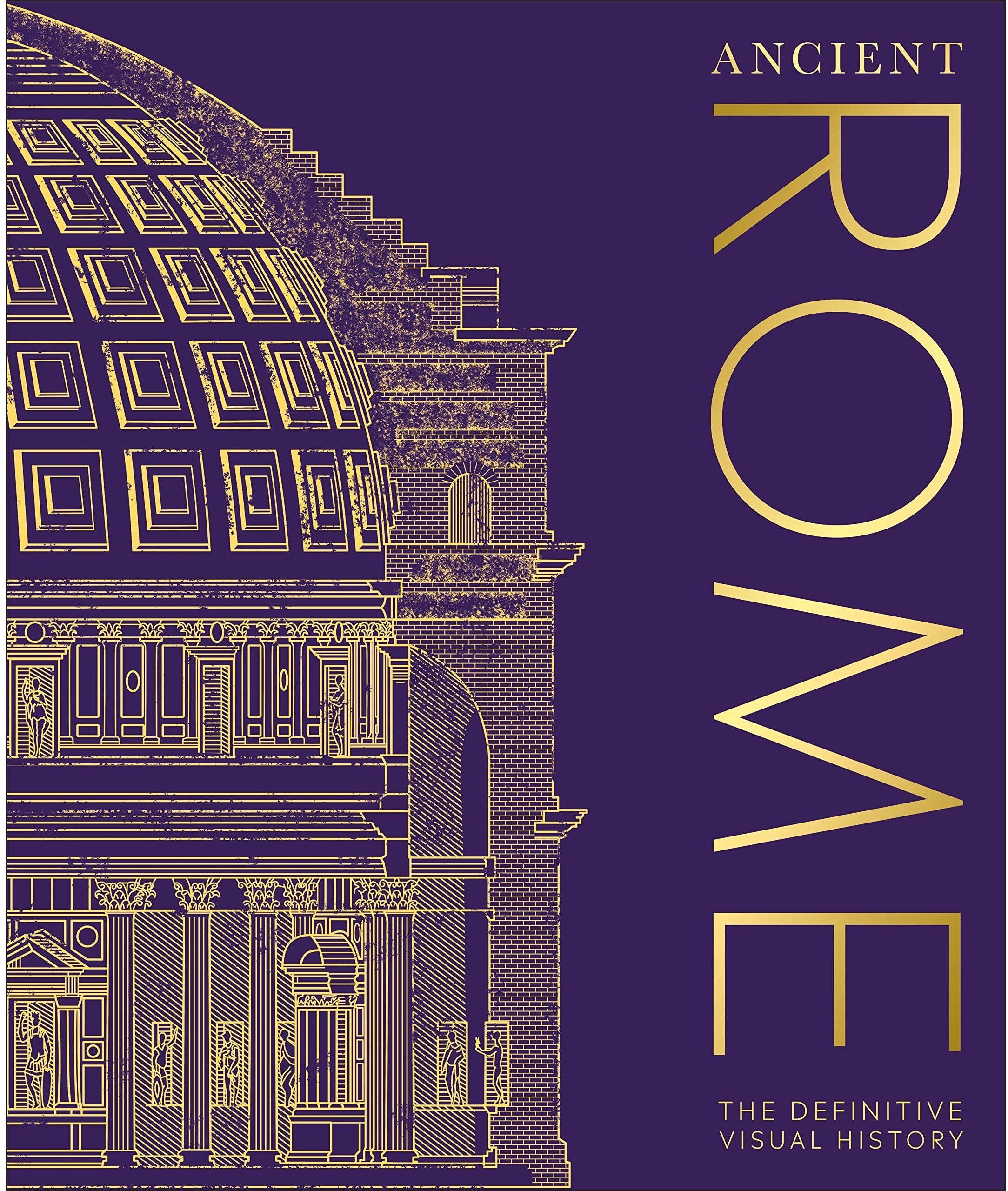
Ancient Rome: The Definitive Visual History (DK Classic History)Immerse yourself in the history of ancient Rome - from its origins as a small settlement on the Palatine Hill to its peak as an empire reigning over 90 million people, and its tumultuous decline. Covering more than 1,000 years of history, and an empire that stretched from Scotland to Syria, Ancient Rome reveals in vivid detail all of the key political, cultural, and military events that shaped the Roman Empire and explores what it was like to live in a society that laid the foundations for many aspects of the modern world. Sumptuous photography and engaging text cover every facet of life in ancient Rome, from art, entertainment, and fashion to engineering, medicine, and war, while detailed maps trace the rise of the mighty Roman Empire. Step back in time in the pages of this history book to discover:- Themed spreads explore developments in areas such as sculpture, religion, warfare, and engineering. - Includes tales of the most dramatic events and battles in Roman history, as well as profiles of influential historical and cultural figures. - An optional 80pp reference section includes sections on rulers, gods and goddesses, and key sites. Featuring Rome's greatest emperors, from Augustus to Constantine, as well as profiles of generals, historians, and influential women, Ancient Rome also delves into the fascinating stories of gladiators, bakers, and enslaved people. The most iconic buildings of Rome are brought to life with specially commissioned CGI recreations, while the stories of ordinary citizens, soldiers, and persecuted groups from across the empire are told with the help of illustrations, artefacts, and eyewitness accounts. Beautifully illustrated and unparalleled in scope, Ancient Rome is the perfect book for anyone who is interested in this defining period of world history.19,95 £*Shipping: 2,99 £Secure redirect to the provider
-
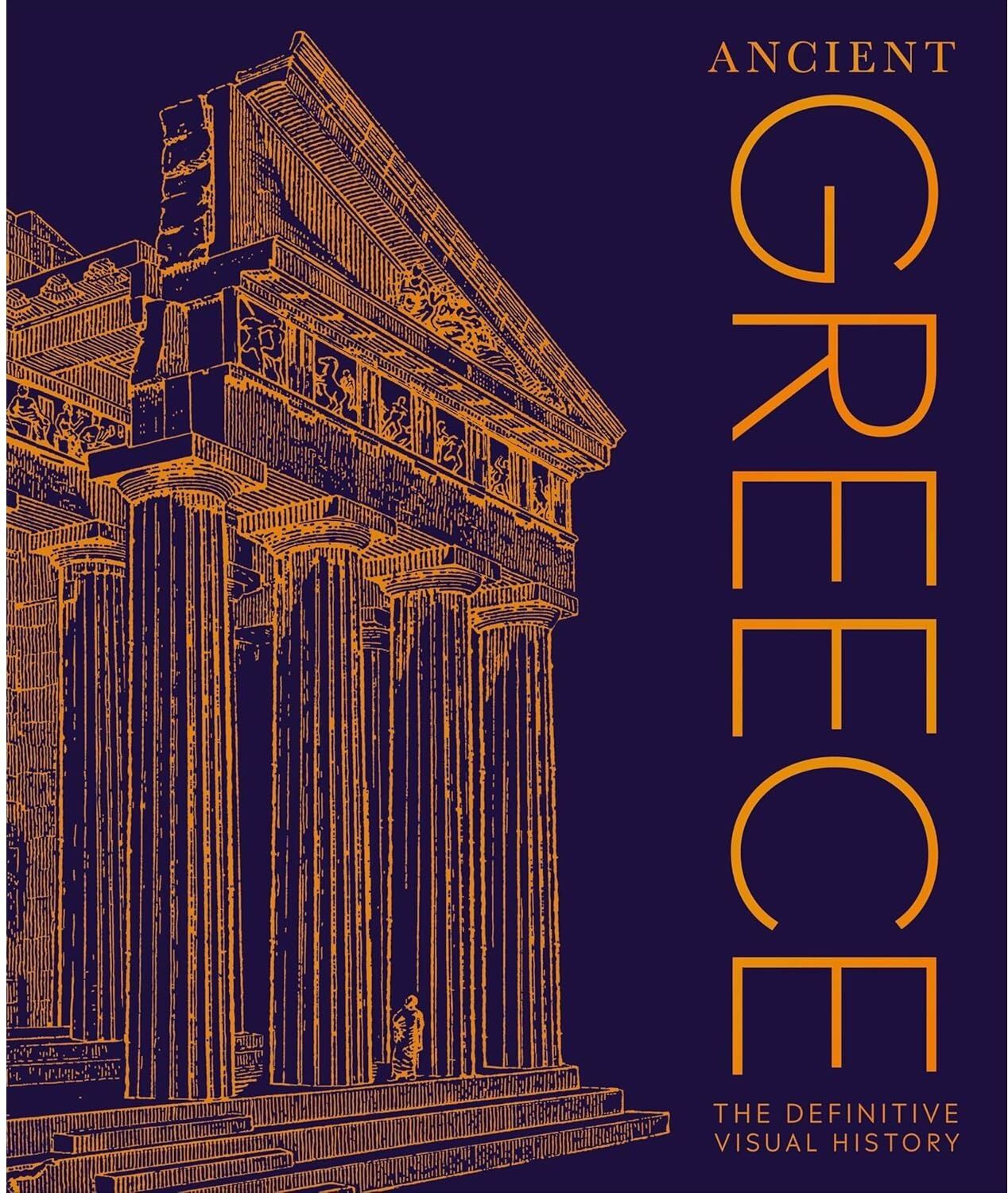
Ancient Greece: The Definitive Visual History (DK Classic History)Embark upon a fascinating journey through ancient Greece – from its rise and fall to its lasting legacy throughout the Western world. Spanning more than 3,000 years, Ancient Greece explores the tumultuous history of this glorious empire in vivid detail – from its Minoan and Mycenaean origins to the apogee of the warring city-states of Athens and Sparta, and from the death of its most charismatic leader, Alexander the Great, to its ultimate defeat by Rome. Sumptuous photography and authoritative, engaging text cover every facet of life in ancient Greece, from art, entertainment, and schools of thought to politics, medicine, and war, while the myths and religious beliefs of the ancient culture are explored and explained in depth. Greece’s military and political power shines through in fascinating maps of its legendary battles. Buried palaces and the Athenian Agora where Plato and Socrates discussed philosophy are brought back to life with stunning CGI artworks. And the stories of everyone from ordinary citizens to lawmakers and the first Olympic athletes are retold through eyewitness accounts and original artefacts.19,99 £*Shipping: 2,99 £Secure redirect to the provider


-
What is better: formal language or colloquial language?
The choice between formal and colloquial language depends on the context and audience. Formal language is typically used in professional settings, academic writing, and formal speeches to convey professionalism and respect. On the other hand, colloquial language is more relaxed and informal, making it suitable for casual conversations and writing. Both types of language have their own strengths and weaknesses, so it's important to consider the purpose and audience when deciding which to use. **
-
What is the formal language in mathematics?
The formal language in mathematics is a precise and structured way of communicating mathematical ideas and concepts. It uses symbols, variables, and logical symbols to represent mathematical relationships and operations. This language helps to eliminate ambiguity and ensure that mathematical statements are clear and unambiguous. By using a formal language, mathematicians can communicate complex ideas in a concise and rigorous manner. **
-
How can one learn a formal language?
One can learn a formal language by studying its grammar, vocabulary, and syntax. This can be done through formal education, such as taking classes or courses in the language, or through self-study using textbooks, online resources, and language learning apps. It is also helpful to practice speaking and writing in the language, as well as immersing oneself in the language by interacting with native speakers and consuming media in that language. Consistent practice and exposure to the language are key to mastering a formal language. **
-
What is the difference between colloquial language and formal language?
Colloquial language is informal and used in everyday conversation, while formal language is more structured and used in professional or academic settings. Colloquial language often includes slang, contractions, and informal expressions, while formal language follows standard grammar and syntax rules. Additionally, formal language tends to be more precise and specific, while colloquial language may be more relaxed and open to interpretation. **


What is the formal structure of a history exam?
A history exam typically consists of a combination of multiple-choice, short answer, and essay questions. The exam may cover a range of topics, suchjson as specific historical events, key figures, and historical concepts. The questions are often organized chronologically or thematically to assess students' understanding of the material. Additionally, the exam may include primary source analysis and critical thinking questions to evaluate students' ability to interpret and analyze historical evidence. **
Should one use formal or informal language in emails?
When deciding whether to use formal or informal language in emails, it is important to consider the context and the recipient. In professional settings, it is generally more appropriate to use formal language to maintain a level of professionalism. However, in more casual or personal situations, using informal language may be more suitable to establish a friendly tone. Ultimately, it is best to match the tone and level of formality to the relationship and purpose of the email. **
Top-Angebote
Products related to Formal:
-
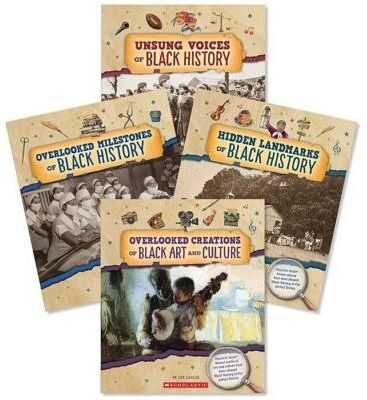
From the Archives: Black History and Culture Value PackThis brand-new series is rooted in a profound commitment to shedding light on some of the important -- and often lesser-known -- aspects of Black history. From the Archives features landmarks, events, people, and artistic endeavors that have played...26,99 $*Shipping: 0,00 $Secure redirect to the provider
-
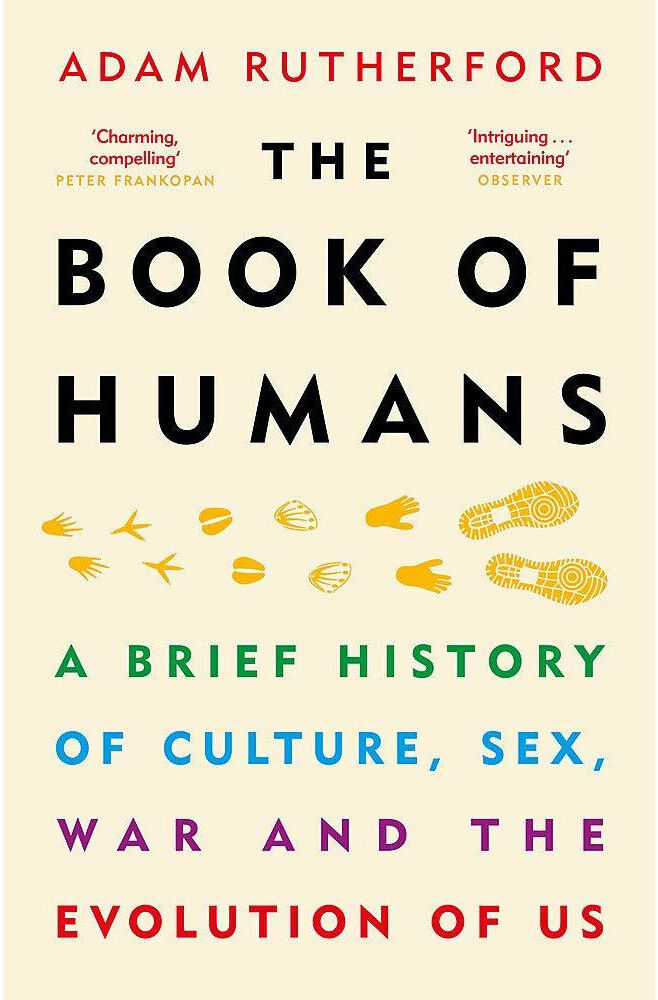
Orion The Book of Humans by Adam Rutherford – A Brief History of Culture, Sex, War & EvolutionWHAT MAKES US HUMAN? Waging war? Sex for pleasure? Creating art? Mastery of fire? In this thrilling tour of the animal kingdom, Adam Rutherford tells the story of how we became the unique creatures we are today. Illuminated by the latest scientific discoveries, THE BOOK OF HUMANS is a dazzling compendium of what unequivocally fixes us as animals, and reveals how we are extraordinary among them.4,98 £*Shipping: 1,99 £Secure redirect to the provider
-
Esofastore Formal Dining Arm Chairs Set Tufted Ivory FinishFeatures:- • Traditional • Wooden Frame • Ivory Finish • Chenillle Upholstered Seat & Backrest Product Description:- This traditional arm chair features an elegant ivory finish crafted from solid rubberwood, oak with ash burl veneer, and engineered...1662,99 $*Shipping: 0,00 $Secure redirect to the provider
-
Is colloquial language or formal language better?
The choice between colloquial and formal language depends on the context and audience. Colloquial language is more casual and conversational, making it suitable for informal settings and when trying to connect with a specific audience. On the other hand, formal language is appropriate for professional or academic communication, where precision and professionalism are important. Both have their own strengths, and the best choice depends on the specific communication goals and the expectations of the audience. **
-
Where can one learn formal language?
One can learn formal language through formal education, such as in schools, colleges, and universities. Many educational institutions offer courses in formal language, including grammar, vocabulary, and writing skills. Additionally, there are online resources, language learning apps, and language schools that provide formal language instruction. It is also possible to learn formal language through immersion programs, where one can practice and develop their language skills in a formal setting. **
-
What is better: formal language or colloquial language?
The choice between formal and colloquial language depends on the context and audience. Formal language is typically used in professional settings, academic writing, and formal speeches to convey professionalism and respect. On the other hand, colloquial language is more relaxed and informal, making it suitable for casual conversations and writing. Both types of language have their own strengths and weaknesses, so it's important to consider the purpose and audience when deciding which to use. **
-
What is the formal language in mathematics?
The formal language in mathematics is a precise and structured way of communicating mathematical ideas and concepts. It uses symbols, variables, and logical symbols to represent mathematical relationships and operations. This language helps to eliminate ambiguity and ensure that mathematical statements are clear and unambiguous. By using a formal language, mathematicians can communicate complex ideas in a concise and rigorous manner. **
Similar search terms for Formal
-
Ancient Rome: The Definitive Visual History (DK Classic History)Immerse yourself in the history of ancient Rome - from its origins as a small settlement on the Palatine Hill to its peak as an empire reigning over 90 million people, and its tumultuous decline. Covering more than 1,000 years of history, and an empire that stretched from Scotland to Syria, Ancient Rome reveals in vivid detail all of the key political, cultural, and military events that shaped the Roman Empire and explores what it was like to live in a society that laid the foundations for many aspects of the modern world. Sumptuous photography and engaging text cover every facet of life in ancient Rome, from art, entertainment, and fashion to engineering, medicine, and war, while detailed maps trace the rise of the mighty Roman Empire. Step back in time in the pages of this history book to discover:- Themed spreads explore developments in areas such as sculpture, religion, warfare, and engineering. - Includes tales of the most dramatic events and battles in Roman history, as well as profiles of influential historical and cultural figures. - An optional 80pp reference section includes sections on rulers, gods and goddesses, and key sites. Featuring Rome's greatest emperors, from Augustus to Constantine, as well as profiles of generals, historians, and influential women, Ancient Rome also delves into the fascinating stories of gladiators, bakers, and enslaved people. The most iconic buildings of Rome are brought to life with specially commissioned CGI recreations, while the stories of ordinary citizens, soldiers, and persecuted groups from across the empire are told with the help of illustrations, artefacts, and eyewitness accounts. Beautifully illustrated and unparalleled in scope, Ancient Rome is the perfect book for anyone who is interested in this defining period of world history.19,95 £*Shipping: 2,99 £Secure redirect to the provider
-
Ancient Greece: The Definitive Visual History (DK Classic History)Embark upon a fascinating journey through ancient Greece – from its rise and fall to its lasting legacy throughout the Western world. Spanning more than 3,000 years, Ancient Greece explores the tumultuous history of this glorious empire in vivid detail – from its Minoan and Mycenaean origins to the apogee of the warring city-states of Athens and Sparta, and from the death of its most charismatic leader, Alexander the Great, to its ultimate defeat by Rome. Sumptuous photography and authoritative, engaging text cover every facet of life in ancient Greece, from art, entertainment, and schools of thought to politics, medicine, and war, while the myths and religious beliefs of the ancient culture are explored and explained in depth. Greece’s military and political power shines through in fascinating maps of its legendary battles. Buried palaces and the Athenian Agora where Plato and Socrates discussed philosophy are brought back to life with stunning CGI artworks. And the stories of everyone from ordinary citizens to lawmakers and the first Olympic athletes are retold through eyewitness accounts and original artefacts.19,99 £*Shipping: 2,99 £Secure redirect to the provider
-
Plus Size Women's Plus Size 3/4 Sleeve Formal Duster Sequin - Embellished Lace Dress Set by Roaman's in Gunmetal (Size 40 W) Formal Evening"Elegance and style come together in this gorgeous dress and jacket set crafted in sequin-embellished stretch lace for a stunning effect. Sleeveless, fully lined dress with back zip. Flyaway, unlined jacket with three-quarter sleeves. Dress: 47""..."114,99 $*Shipping: 0,00 $Secure redirect to the provider
-
Plus Size Women's Plus Size 3/4 Sleeve Formal Duster Sequin - Embellished Lace Dress Set by Roaman's in Gunmetal (Size 42 W) Formal Evening"Elegance and style come together in this gorgeous dress and jacket set crafted in sequin-embellished stretch lace for a stunning effect. Sleeveless, fully lined dress with back zip. Flyaway, unlined jacket with three-quarter sleeves. Dress: 47""..."114,99 $*Shipping: 0,00 $Secure redirect to the provider
-
How can one learn a formal language?
One can learn a formal language by studying its grammar, vocabulary, and syntax. This can be done through formal education, such as taking classes or courses in the language, or through self-study using textbooks, online resources, and language learning apps. It is also helpful to practice speaking and writing in the language, as well as immersing oneself in the language by interacting with native speakers and consuming media in that language. Consistent practice and exposure to the language are key to mastering a formal language. **
-
What is the difference between colloquial language and formal language?
Colloquial language is informal and used in everyday conversation, while formal language is more structured and used in professional or academic settings. Colloquial language often includes slang, contractions, and informal expressions, while formal language follows standard grammar and syntax rules. Additionally, formal language tends to be more precise and specific, while colloquial language may be more relaxed and open to interpretation. **
-
What is the formal structure of a history exam?
A history exam typically consists of a combination of multiple-choice, short answer, and essay questions. The exam may cover a range of topics, suchjson as specific historical events, key figures, and historical concepts. The questions are often organized chronologically or thematically to assess students' understanding of the material. Additionally, the exam may include primary source analysis and critical thinking questions to evaluate students' ability to interpret and analyze historical evidence. **
-
Should one use formal or informal language in emails?
When deciding whether to use formal or informal language in emails, it is important to consider the context and the recipient. In professional settings, it is generally more appropriate to use formal language to maintain a level of professionalism. However, in more casual or personal situations, using informal language may be more suitable to establish a friendly tone. Ultimately, it is best to match the tone and level of formality to the relationship and purpose of the email. **
* All prices are inclusive of VAT and, if applicable, plus shipping costs. The offer information is based on the details provided by the respective shop and is updated through automated processes. Real-time updates do not occur, so deviations can occur in individual cases. ** Note: Parts of this content were created by AI.