Buy germanyonline.org ?
We are moving the project
germanyonline.org .
Are you interested in purchasing the domain
germanyonline.org ?
domain@kv-gmbh.de · 0541-91531010
Buy germanyonline.org ?
How is assembly language used?
Assembly language is used to write programs that directly control the hardware of a computer. It provides a low-level interface to the computer's architecture, allowing programmers to write code that is specific to the hardware. Assembly language is often used in embedded systems, device drivers, and other applications where direct hardware control is necessary. Programmers write code in assembly language, which is then translated into machine code by an assembler, and then executed by the computer's processor. **
How do you count in Assembly language?
In Assembly language, counting is typically done using the "MOV" (move) instruction to load a value into a register, and then using arithmetic instructions such as "ADD" (addition) or "INC" (increment) to increase the value in the register. For example, to count from 1 to 10, you would load the value 1 into a register, then use a loop to increment the value in the register until it reaches 10. Additionally, you can use conditional jump instructions to control the flow of the counting process, such as jumping back to the beginning of the loop until the desired count is reached. **

Similar search terms for Assembly
Top-Angebote
Products related to Assembly:
-
Rinnai HDC1600i Monitor AssemblyRinnai HDC1600i Monitor Assembly (P1600IKBX-750) The monitor assembly on a Rinnai HDC1600i is where the electronics responsible for tracking key system functions sit — water temperature, flow rate, ignition, and safety feedback. It's the component that keeps the sensors, control electronics, and combustion system talking to each other correctly, and the whole appliance depends on it doing that accurately. This genuine Rinnai monitor assembly is made to the original specification, restoring dependable signal processing and control. Fitted as part of routine servicing or a specific repair, it re-establishes the communication between components that the appliance relies on for correct, reliable operation. ⚠ Important: This part must be installed by a Gas Safe registered engineer to ensure safe operation and compliance. Alway27,60 £*Shipping: 5,00 £Secure redirect to the provider
-
From the Archives: Black History and Culture Value PackThis brand-new series is rooted in a profound commitment to shedding light on some of the important -- and often lesser-known -- aspects of Black history. From the Archives features landmarks, events, people, and artistic endeavors that have played...26,99 $*Shipping: 0,00 $Secure redirect to the provider
-
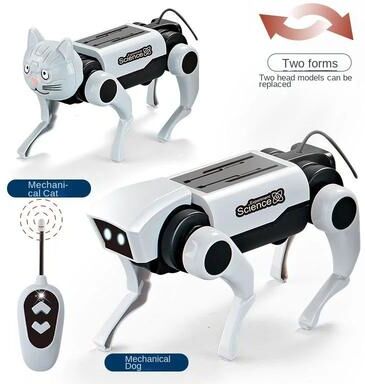
Uplift Treasures DIY RC Robot Dog Assembly Toy DIY RC Robot Dog Assembly ToyProduct Description Inspire curiosity and learning with this DIY RC robot dog assembly toy. Kids can build their own mechanical dog and control it remotely, combining hands on science learning with interactive play. Specifications Product Type: DIY...68,97 $*Shipping: 0,00 $Secure redirect to the provider



-
Which assembly method is better suited, the basic assembly or the float assembly?
The basic assembly method is better suited for situations where precise alignment and tight tolerances are required, as it allows for a more controlled and accurate assembly process. On the other hand, the float assembly method is better suited for situations where flexibility and ease of assembly are more important, as it allows for some movement and adjustment during the assembly process. Ultimately, the choice between the two methods depends on the specific requirements of the assembly and the desired level of precision and flexibility. **
-
How can one convert C code to assembly language?
To convert C code to assembly language, one can use a compiler such as GCC or Clang with the appropriate flags to generate assembly code. For example, using the "-S" flag with GCC will produce an assembly file from the C code. This assembly code can then be further optimized or modified as needed. Additionally, understanding the C code and its corresponding assembly instructions is crucial for manual conversion, which involves translating the C code line by line into equivalent assembly instructions. **
-
Can you explain the function scanf in assembly language?
In assembly language, the `scanf` function is used to read input from the user. It is typically used to read formatted input, such as integers, characters, or strings, from the standard input (usually the keyboard). The `scanf` function takes in a format string that specifies the type and number of variables to be read, and then stores the input values in the specified memory locations. It is often used in conjunction with the `printf` function for formatted input and output in assembly language programs. **
-
Does Bill Gates know how to program in Assembly language?
Yes, Bill Gates does know how to program in Assembly language. In fact, he wrote a version of the programming language for the Altair 8800, one of the first personal computers. Gates has a background in computer science and programming, so he is familiar with various programming languages, including Assembly language. **
Why don't we equip cars with assembly filling technology to save lives?
Equipping cars with assembly filling technology to save lives may not be feasible due to several reasons. Firstly, the cost of implementing such technology in every car would be extremely high, making it unaffordable for many consumers. Additionally, the technology may not be foolproof and could potentially malfunction, leading to accidents and further endangering lives. Furthermore, the complexity of integrating assembly filling technology into existing car designs and infrastructure would be a significant challenge. Instead, focusing on improving existing safety features such as airbags, seat belts, and collision avoidance systems may be a more practical approach to saving lives on the road. **
What is the difference between machine language, assembly language, and for example C?
Machine language is the lowest-level programming language that directly communicates with the computer's hardware. It consists of binary code that the computer's central processing unit (CPU) can execute directly. Assembly language is a low-level programming language that is a step above machine language, using mnemonic codes to represent the machine language instructions. C, on the other hand, is a high-level programming language that is closer to human language and is more abstracted from the computer's hardware. It is easier to read and write than machine and assembly language, and it allows for more complex and higher-level programming tasks. **
Top-Angebote
Products related to Assembly:
-
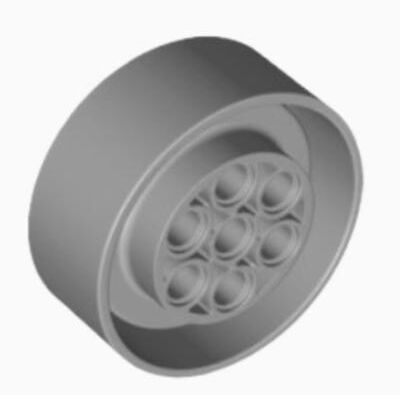
Lush Living Finds Perforated Brick Assembly Toy Accessories With Technology Mechanical Wheels Perforated Brick Assembly Toy Accessories With Technology Mechanical WheelsEnhance Creativity with Technology Mechanical Wheels Unlock the power of innovation with our technology mechanical wheels, designed specifically for perforated brick assembly toy accessories. Whether you are a hobbyist or a seasoned builder, these...43,97 $*Shipping: 0,00 $Secure redirect to the provider
-
Rinnai HDC1600i Monitor AssemblyRinnai HDC1600i Monitor Assembly (P1600IKBX-750) The monitor assembly on a Rinnai HDC1600i is where the electronics responsible for tracking key system functions sit — water temperature, flow rate, ignition, and safety feedback. It's the component that keeps the sensors, control electronics, and combustion system talking to each other correctly, and the whole appliance depends on it doing that accurately. This genuine Rinnai monitor assembly is made to the original specification, restoring dependable signal processing and control. Fitted as part of routine servicing or a specific repair, it re-establishes the communication between components that the appliance relies on for correct, reliable operation. ⚠ Important: This part must be installed by a Gas Safe registered engineer to ensure safe operation and compliance. Alway27,60 £*Shipping: 5,00 £Secure redirect to the provider
-
How is assembly language used?
Assembly language is used to write programs that directly control the hardware of a computer. It provides a low-level interface to the computer's architecture, allowing programmers to write code that is specific to the hardware. Assembly language is often used in embedded systems, device drivers, and other applications where direct hardware control is necessary. Programmers write code in assembly language, which is then translated into machine code by an assembler, and then executed by the computer's processor. **
-
How do you count in Assembly language?
In Assembly language, counting is typically done using the "MOV" (move) instruction to load a value into a register, and then using arithmetic instructions such as "ADD" (addition) or "INC" (increment) to increase the value in the register. For example, to count from 1 to 10, you would load the value 1 into a register, then use a loop to increment the value in the register until it reaches 10. Additionally, you can use conditional jump instructions to control the flow of the counting process, such as jumping back to the beginning of the loop until the desired count is reached. **
-
Which assembly method is better suited, the basic assembly or the float assembly?
The basic assembly method is better suited for situations where precise alignment and tight tolerances are required, as it allows for a more controlled and accurate assembly process. On the other hand, the float assembly method is better suited for situations where flexibility and ease of assembly are more important, as it allows for some movement and adjustment during the assembly process. Ultimately, the choice between the two methods depends on the specific requirements of the assembly and the desired level of precision and flexibility. **
-
How can one convert C code to assembly language?
To convert C code to assembly language, one can use a compiler such as GCC or Clang with the appropriate flags to generate assembly code. For example, using the "-S" flag with GCC will produce an assembly file from the C code. This assembly code can then be further optimized or modified as needed. Additionally, understanding the C code and its corresponding assembly instructions is crucial for manual conversion, which involves translating the C code line by line into equivalent assembly instructions. **
Similar search terms for Assembly
-
From the Archives: Black History and Culture Value PackThis brand-new series is rooted in a profound commitment to shedding light on some of the important -- and often lesser-known -- aspects of Black history. From the Archives features landmarks, events, people, and artistic endeavors that have played...26,99 $*Shipping: 0,00 $Secure redirect to the provider
-
Uplift Treasures DIY RC Robot Dog Assembly Toy DIY RC Robot Dog Assembly ToyProduct Description Inspire curiosity and learning with this DIY RC robot dog assembly toy. Kids can build their own mechanical dog and control it remotely, combining hands on science learning with interactive play. Specifications Product Type: DIY...68,97 $*Shipping: 0,00 $Secure redirect to the provider
-
Can you explain the function scanf in assembly language?
In assembly language, the `scanf` function is used to read input from the user. It is typically used to read formatted input, such as integers, characters, or strings, from the standard input (usually the keyboard). The `scanf` function takes in a format string that specifies the type and number of variables to be read, and then stores the input values in the specified memory locations. It is often used in conjunction with the `printf` function for formatted input and output in assembly language programs. **
-
Does Bill Gates know how to program in Assembly language?
Yes, Bill Gates does know how to program in Assembly language. In fact, he wrote a version of the programming language for the Altair 8800, one of the first personal computers. Gates has a background in computer science and programming, so he is familiar with various programming languages, including Assembly language. **
-
Why don't we equip cars with assembly filling technology to save lives?
Equipping cars with assembly filling technology to save lives may not be feasible due to several reasons. Firstly, the cost of implementing such technology in every car would be extremely high, making it unaffordable for many consumers. Additionally, the technology may not be foolproof and could potentially malfunction, leading to accidents and further endangering lives. Furthermore, the complexity of integrating assembly filling technology into existing car designs and infrastructure would be a significant challenge. Instead, focusing on improving existing safety features such as airbags, seat belts, and collision avoidance systems may be a more practical approach to saving lives on the road. **
-
What is the difference between machine language, assembly language, and for example C?
Machine language is the lowest-level programming language that directly communicates with the computer's hardware. It consists of binary code that the computer's central processing unit (CPU) can execute directly. Assembly language is a low-level programming language that is a step above machine language, using mnemonic codes to represent the machine language instructions. C, on the other hand, is a high-level programming language that is closer to human language and is more abstracted from the computer's hardware. It is easier to read and write than machine and assembly language, and it allows for more complex and higher-level programming tasks. **
* All prices are inclusive of VAT and, if applicable, plus shipping costs. The offer information is based on the details provided by the respective shop and is updated through automated processes. Real-time updates do not occur, so deviations can occur in individual cases. ** Note: Parts of this content were created by AI.